Book Now

What It Treats

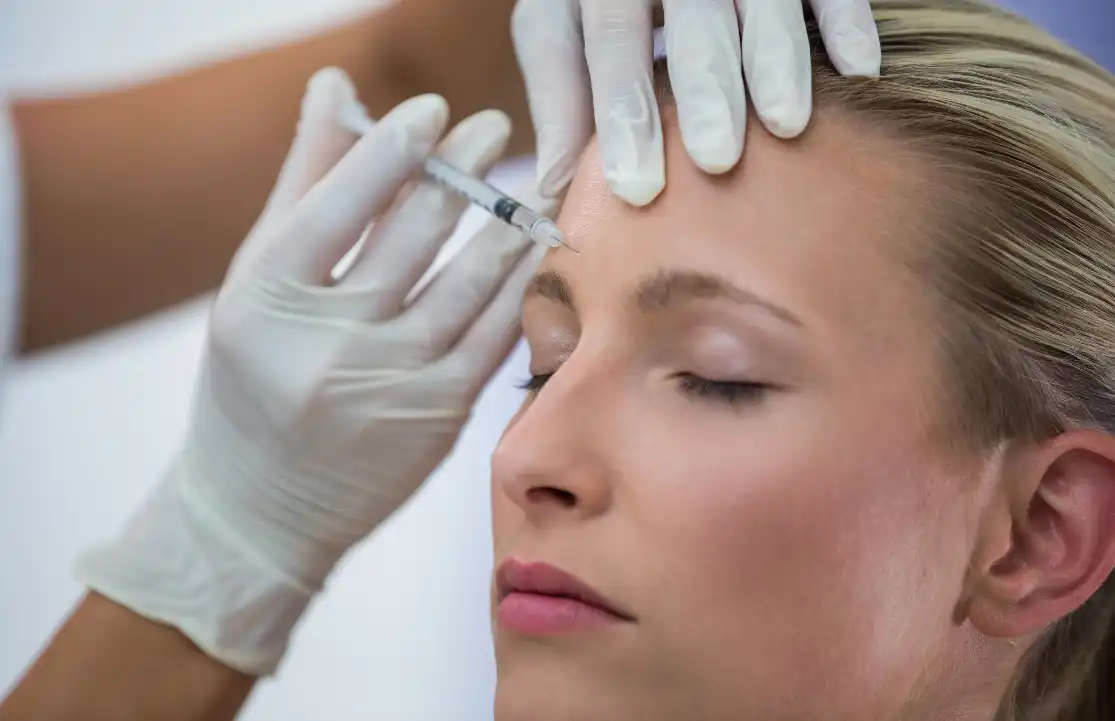
Polynucleotide therapy is an advanced biostimulatory treatment designed to restore the skin’s structure and resilience at a cellular level.
Polynucleotides (PNs) are naturally derived DNA fragments that boost fibroblast activity, collagen synthesis, and tissue regeneration.
This treatment is ideal for patients seeking natural rejuvenation and firmness without added volume.
It effectively treats:

  • Loss of elasticity and firmness
  • Fine lines and mild laxity
  • Dull, dehydrated, or crepey skin
  • Early signs of ageing in the face, neck, or décolletage
  • Skin compromised by sun damage or stress

Polynucleotide therapy improves skin texture and hydration, giving a firmer, smoother, more luminous complexion.
Quick Overview

Treatment Time:
30–45 minutes
Results Visible:
Progressive results over 3–6 weeks as collagen and elasticity improve
Anaesthesia:
Topical numbing cream (optional)
Downtime:
Minimal — mild redness or swelling may occur for 24–48 hours
Duration of Results:
6–12 months depending on skin condition and maintenance schedule
Results

What It Treats

Polynucleotide therapy is an advanced biostimulatory treatment designed to restore the skin’s structure and resilience at a cellular level.
Polynucleotides (PNs) are naturally derived DNA fragments that boost fibroblast activity, collagen synthesis, and tissue regeneration.
This treatment is ideal for patients seeking natural rejuvenation and firmness without added volume.
It effectively treats:

  • Loss of elasticity and firmness
  • Fine lines and mild laxity
  • Dull, dehydrated, or crepey skin
  • Early signs of ageing in the face, neck, or décolletage
  • Skin compromised by sun damage or stress

Polynucleotide therapy improves skin texture and hydration, giving a firmer, smoother, more luminous complexion.

General Medical CouncilRoyal College of General PractitionersMedical ProtectionHamilton Fraser Cosmetic InsuranceCare Quality CommissionBritish College of Aesthetic Medicine

At Harley Street MD, all polynucleotide treatments are performed by GMC-registered doctors using premium medical-grade biostimulators.
Our treatment process includes:

  • In-depth consultation and skin assessment
  • Use of clinically approved polynucleotide formulations such as Plinest, Nucleofill, or Rejuran®
  • Strategic microinjection technique targeting key collagen zones
  • Optional combination with Profhilo or Volite for hydration boost
  • Follow-up sessions every 3–4 weeks for best cumulative results

The therapy is fully customisable and suitable for all skin types, delivering regenerative benefits with minimal downtime.

Book an Appointment

Prices

A £150 deposit is required to secure a booked appointment. This deposit is redeemable against any treatment or service provided by the clinic. If you decided following the consultation to not proceed with any proceed or service, then the deposit is fully refundable.
Consultation
Up to 15 minutes
£150 (Can be waived if treatment done the same day)
Polynucleotide (Biostimulator)
One Syringe (2ml)
£450

More Information

What are polynucleotides?

Polynucleotides are natural DNA fragments that trigger skin repair and regeneration, improving elasticity, hydration, and fine lines.

How does polynucleotide skin tightening work?

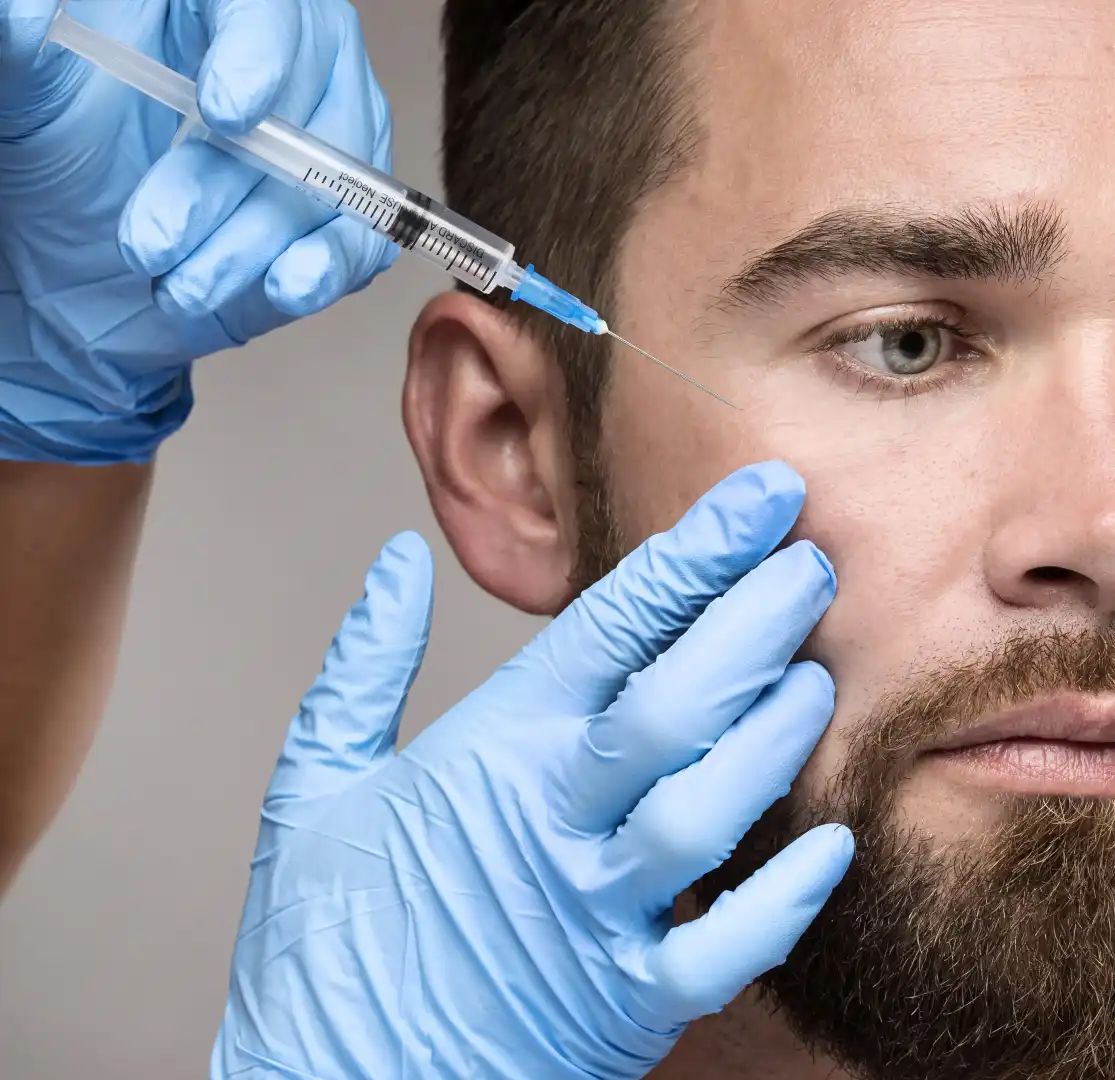
Injected into the dermis, polynucleotides stimulate fibroblast activity, improve tissue elasticity, and enhance microcirculation.

What areas can be treated?

Face, neck, décolletage, under-eyes and scalp (for hair loss).

When will I see results?

Gradual improvement from 2–3 weeks, with optimal tightening at 6–8 weeks.

Is the treatment painful?

Most patients tolerate it well. A topical anaesthetic is used for comfort.

How long do results last?

Up to 12 months after a full course.

How long does the treatment take?

Approximately 30–45 minutes.

Are there side effects?

Temporary redness, mild swelling, or bruising can occur. Allergic reactions are extremely rare.

How many sessions are needed?

A course of 2–3 sessions spaced 3–4 weeks apart is recommended.

Do polynucleotides contain animal products? Are they halal?

Croma’s polynucleotides are derived from freshwater fish, which is halal.

  • The product is highly purified DNA fragments — no fish protein, flesh, or cells remain.
  • There are no shellfish components (important for allergy and some halal concerns)
  • Most scholars consider fish-derived biotechnology products to be halal, especially when purified. Polynucleotides are therefore generally acceptable.
Are Polynucleotides or Botox Better?

Polynucleotides and Botox are both excellent treatments — but they do completely different things.

The right choice depends on what you’re trying to improve.

Botox: Best for Movement Lines

Botox works by relaxing overactive muscles, which softens lines caused by expressions, such as:

  • Frown lines (11s)
  • Forehead lines
  • Crow’s feet
  • Bunny lines
  • Gummy smile

Botox is ideal if your main concern is:

  • Wrinkles that appear when you move your face
  • Deep lines forming from frowning or squinting
  • Wanting a smoother, more refreshed look
  • Preventing lines from getting deeper over time

Botox does not treat: skin quality, pigmentation, dark circles, or texture.

Polynucleotides: Best for Skin Quality

Polynucleotides are bio-stimulators that repair, hydrate, and regenerate the skin.

They improve:

  • Fine lines
  • Skin texture
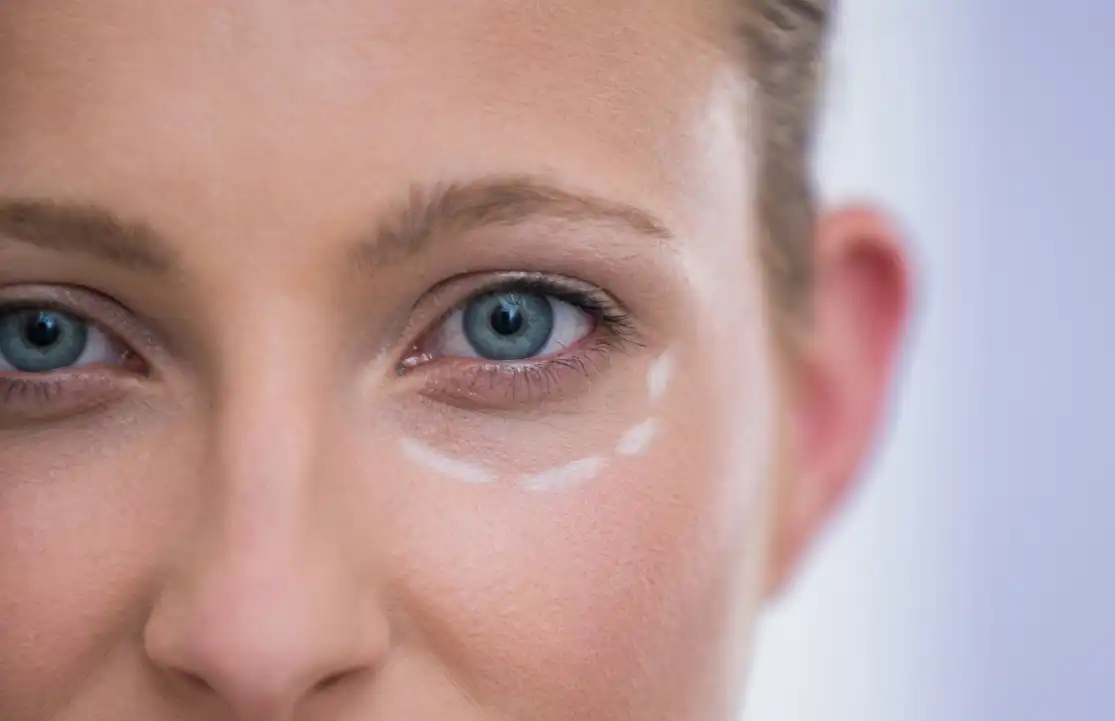
  • Under-eye crepiness
  • Dullness
  • Elasticity
  • Early ageing and dehydration lines

They work beautifully in areas where Botox is either unsuitable or less effective, especially:

  • Under-eyes
  • Neck
  • Crepey skin
  • Acne-prone or dehydrated skin

Polynucleotides do not stop muscle movement, so they won’t soften expression lines the way Botox does.

Which One Is Better?

Neither is “better” — they treat different concerns.

  • Choose Botox if your goal is smoother skin by reducing muscle movement.
  • Choose Polynucleotides if your goal is healthier, brighter, more hydrated skin.

Most clients actually benefit from a combination for a natural, refreshed result.

The Best Approach? A Personalised Plan

At Harley Street MD, we assess:

  • Your skin
  • Your concerns
  • Your anatomy
  • Your goals

Then we recommend the treatment (or combination) that will give you the most natural and effective outcome.

Are There Any Downsides to Polynucleotides?

Polynucleotides are very safe and well-tolerated, but like any injectable treatment, there are a few things to be aware of.

  1. Multiple Sessions Are Needed

Polynucleotides usually require 2–3 sessions (sometimes 4 for under-eyes), spaced 2–3 weeks apart. Results build gradually, rather than appearing instantly.

  1. Subtle, Not Dramatic Results

They improve:

  • Hydration
  • Fine lines
  • Crepiness
  • Skin texture
  • Under-eye quality

However, they do not add volume and cannot erase deep wrinkles. Clients seeking a dramatic change may benefit from combining them with filler or Botox.

  1. Temporary Bumps After Treatment

Because the product is injected superficially, you may notice small bumps or “bee-sting” marks, especially under the eyes. These typically settle within 12–48 hours.

  1. Mild Injection Side Effects

Common, short-term effects include:

  • Redness
  • Bruising
  • Swelling
  • Tenderness

These usually resolve quickly.

  1. Results Are Not Permanent

Results typically last 6–9 months, depending on:

  • Skin type
  • Severity of concerns
  • Lifestyle
  • Treatment area

Maintenance sessions are recommended to sustain results, typically 1 session every 6 months.

  1. Not a Substitute for Botox or Filler

Polynucleotides do not treat:

  • Strong expression lines
  • Deep wrinkles
  • Significant volume loss
  • Sagging

They work best as part of a combined approach for a refreshed, natural look.

Overall Safety Profile

Polynucleotides have one of the best safety profiles in aesthetics. They are:

  • Non-toxic
  • Anti-inflammatory
  • Biocompatible
  • Suitable for sensitive or delicate areas like the under-eye

Serious complications are extremely rare.

Do’s and Don’ts After Polynucleotide Treatments

Following these recommendations helps you get the best results and minimise side effects.

Do’s

  • Keep the area clean: Gently cleanse your face without rubbing.
  • Stay hydrated: Drinking water supports skin health and recovery.
  • Protect from sun: Use SPF 30+ to prevent pigmentation and protect healing skin.
  • Follow your treatment schedule: Attend all recommended sessions for optimal results.
  • Sleep on your back: Avoid pressing your face into pillows for the first night if possible.
  • Contact your clinician if needed: Reach out if you notice unusual swelling, redness, or discomfort.

Don’ts

  • Do not rub or massage the treated area: This can move the product or irritate skin.
  • Avoid heavy exercise for 24–48 hours: Sweating may increase bruising or swelling.
  • No alcohol for 24 hours: Alcohol can exacerbate swelling or bruising.
  • Avoid extreme heat or cold: Saunas, hot baths, or ice packs can affect results.
  • Do not have facial treatments immediately: Avoid facials, chemical peels, or laser treatments for at least a week unless advised.
  • Do not self-inject or use other products in the area: Only a trained practitioner should treat the area during the recovery period.

Enquire About This Treatment

Thank you! Your submission has been received!
Oops! Something went wrong while submitting the form.