 Book NowBook Now
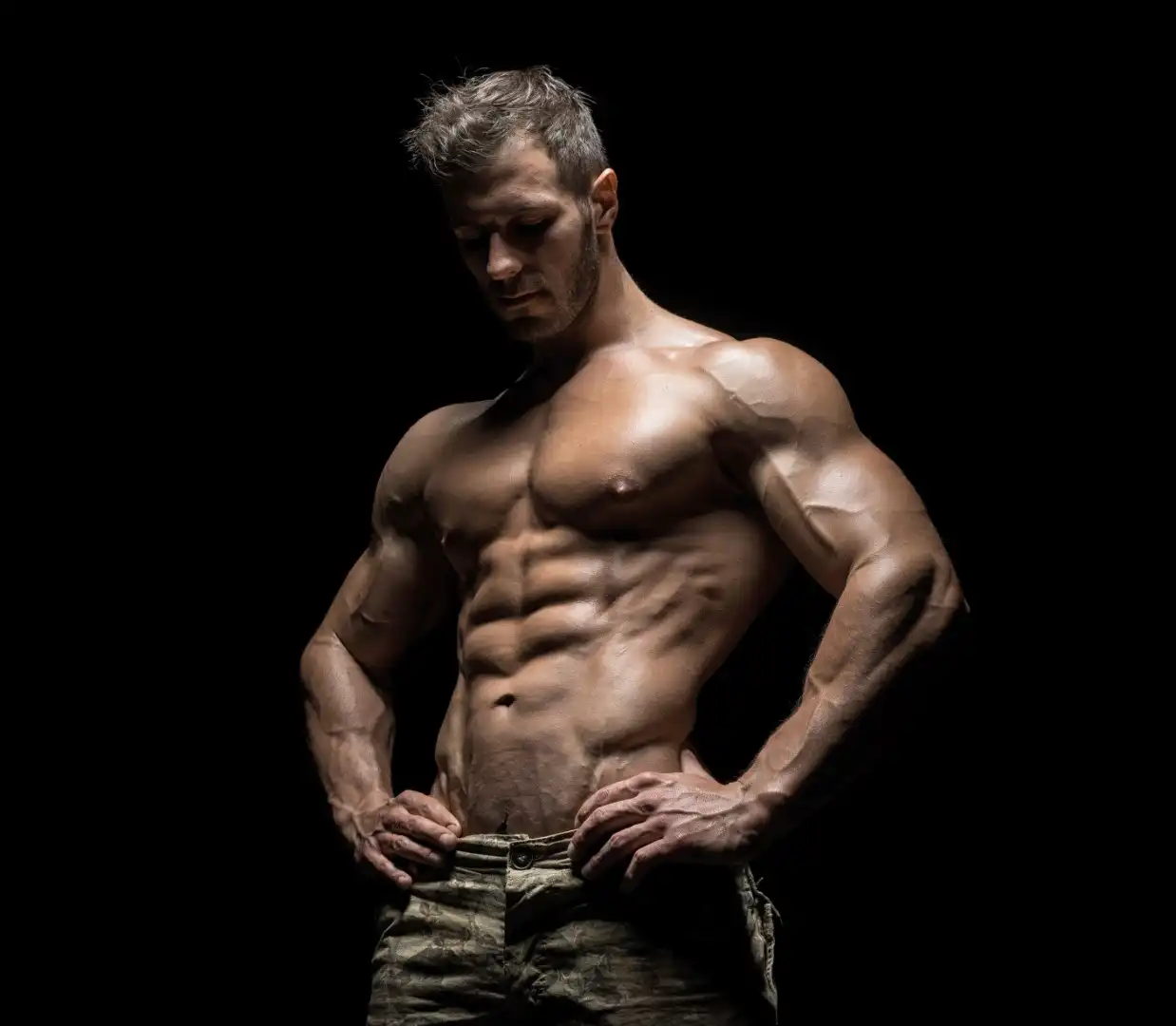
Gynaecomastia is the enlargement of glandular breast tissue in men, often caused by hormonal imbalance between testosterone and oestrogen.
It may result from anabolic steroid use, testosterone therapy without proper monitoring, certain medications, or natural hormonal shifts.
Symptoms include:
At Harley Street MD, we specialise in managing gynaecomastia medically, addressing both the visible symptoms and underlying hormonal triggers.





.webp)
Our doctors provide a confidential, evidence-based approach to diagnosing and treating gynaecomastia.
We perform a full assessment to determine whether the condition is glandular, fatty, or mixed in origin.
Our management plan includes:
Our goal is to correct the hormonal imbalance, reduce breast tissue growth, and restore normal chest contour safely under medical supervision.

At Harley Street Medical Doctors, we understand that patients want lasting results when undergoing gynecomastia treatment.
The permanence of results depends on the type of treatment and lifestyle factors.
1. Surgical Treatment (Liposuction / Gland Excision)
Key point: Surgery provides the most reliable, long-term correction of gynecomastia.
2. Non-Surgical Treatment (Lifestyle, Hormone Therapy, Non-Invasive Fat Reduction)
Key Takeaways
Pre-care Instructions
Proper preparation before gynecomastia treatment is key to ensuring safety, a smooth procedure, and optimal results. At Harley Street Medical Doctors, we provide personalised guidance tailored to each patient’s needs.
1. Medical Assessment
2. Lifestyle Adjustments
3. Medication Guidelines
4. Pre-Operative Preparation for Surgery
5. Mental Preparation
Key Takeaways
After-care Instructions
Following your gynecomastia treatment, whether surgical or non-surgical, proper after-care is essential for safe healing and optimal cosmetic results. Harley Street Medical Doctors provide tailored guidance throughout your recovery.
1. Immediate Post-Procedure Care
2. Compression Garment
3. Managing Pain & Swelling
4. Activity & Exercise
5. Wound Care (Surgical Patients Only)
6. Medication & Prescriptions
7. Skin & Tissue Care
8. Lifestyle Recommendations
9. Emotional Wellbeing
Many patients feel a boost in confidence after treatment, but it’s also common to experience temporary:
These early changes are normal. Final results can take 8–12 weeks, and your clinician will guide you through each stage.
10. Follow-Up Appointments
“We support you from your first consultation through to full recovery. Our goal is safe healing and natural, confident results.”
— Harley Street MD, London
Quick Reference
Gynaecomastia (also spelled gynecomastia) refers to the enlargement of breast tissue in men. It can affect one or both sides of the chest. It’s commonly caused by a hormonal imbalance (particularly between testosterone and oestrogen) and can also be influenced by factors such as weight gain, certain medications or steroid use, ageing, or underlying health conditions.
At Harley Street MD, this condition is described under “man-boobs” and highlighted as something that can cause self-consciousness and discomfort.
Harley Street MD offers a tailored approach to male chest aesthetics, including gynaecomastia. Their blog outlines that:
1. Lifestyle & non-surgical measures
Before surgery, or in mild cases, Harley Street MD and others recommend:
2. Surgical / procedural treatment
When lifestyle and non-surgical treatments aren’t enough, or when there is a significant glandular component, surgery is considered. According to Harley Street MD:
3. What you can expect
You may be a good candidate if:
1. You have persistent chest enlargement
2. It causes physical or emotional discomfort
3. You are in good overall health
4. Your weight is stable
5. Your breast growth has stabilised
6. You have realistic expectations
You may not yet be ready for treatment if:
Next step:
At Harley Street Medical Doctors, your suitability is confirmed during a comprehensive consultation, which includes:
This ensures treatment addresses both appearance and underlying cause, helping achieve safe, long-lasting results.
1. Initial Contact & Pre-Consultation
2. Face-to-Face Consultation
Once at the clinic, you’ll meet with an experienced doctor specialising in men’s aesthetic and hormonal health. The consultation focuses on three areas:
Medical & Lifestyle Review
Physical Examination
Discussion of Goals & Expectations
3. Investigations (if needed)
To ensure safety and identify underlying causes, your doctor may recommend:
4. Treatment Planning
After assessment, the doctor will create a personalised plan, which may include:
You’ll also receive a recovery plan explaining what to expect immediately after the procedure and over the following weeks.
5. Patient Support & Education
Harley Street MD emphasises patient comfort and confidence:
6. Key Takeaways
Step 1: Initial Consultation (Week 0)
Step 2: Pre-Procedure Preparation (1–3 Weeks)
Step 3: Procedure Day
Step 4: Early Recovery (Weeks 1–2)
Step 5: Intermediate Recovery (Weeks 3–6)
Step 6: Full Recovery & Results (Weeks 6–12+)
Quick Tips
When NHS treatment might be available
Why most cases are not covered
Key takeaway
If you are considering NHS treatment for gynaecomastia, expect that:
At Harley Street Medical Doctors, patient safety and transparency are our top priorities.
While gynecomastia treatments, whether surgical or non-surgical, can significantly improve chest appearance and confidence, it’s important to be aware of potential risks and side effects.
1. Surgical Treatment Risks
Surgery is often the most effective method for removing excess glandular and fatty tissue.
The main surgical approaches include liposuction (for fat removal) and excision (for gland removal).
Potential risks and side effects include:
Most of these risks can be minimised by choosing an experienced surgeon and following post-operative care instructions carefully.
2. Non-Surgical Treatment Risks
Non-surgical options, such as lifestyle interventions, hormone therapy, or non-invasive fat reduction (e.g., cryolipolysis, radiofrequency), generally carry fewer risks but still have considerations:
3. How We Minimise Risk at Harley Street MD
Key Takeaway
Gynecomastia treatment is generally safe when performed by qualified professionals, but like any medical procedure, it carries potential risks. Choosing the right approach for your chest type, understanding what to expect, and following professional guidance significantly reduces complications and improves outcomes.
At Harley Street Medical Doctors, we understand that recovery is just as important as treatment.
The duration and experience depend on whether you undergo surgical or non-surgical treatment.
Surgical Recovery (Liposuction / Gland Excision)
Immediate (First few days):
1–2 Weeks:
3–6 Weeks:
3–6 Months:
Following post-operative instructions and wearing compression garments helps achieve optimal results.
Non-Surgical Recovery (Lifestyle, Hormone Therapy, Non-Invasive Fat Reduction)
Immediately After Treatment:
Weeks to Months:
Non-surgical treatments are most effective for fatty chest tissue rather than glandular tissue.
Factors Affecting Recovery
Key Takeaways