Book Now

What It Treats

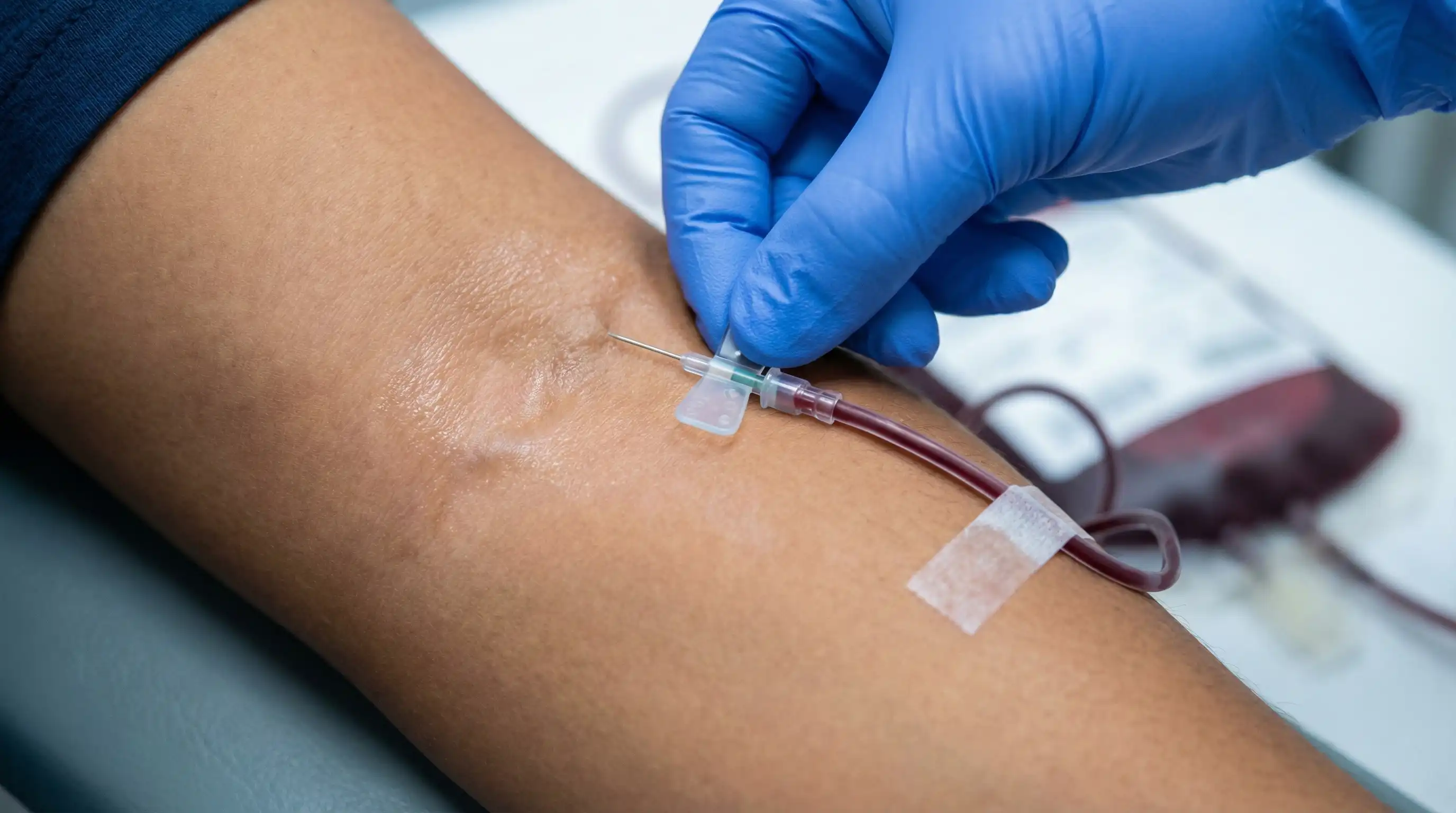
Therapeutic venesection (also known as phlebotomy) is a medical procedure used to treat conditions where there is too much iron or too many red blood cells in the blood.
It is frequently indicated for men undergoing testosterone replacement therapy (TRT), growth hormone therapy, or anabolic steroid cycles, as these can increase haemoglobin and haematocrit levels.
Left untreated, this can raise the risk of thickened blood, high blood pressure, or cardiovascular strain.

Conditions treated include:

  • Elevated haematocrit or haemoglobin (polycythaemia)
  • Haemochromatosis (iron overload)
  • Testosterone or steroid-induced erythrocytosis
  • Fatigue or headaches caused by high red cell concentration

By safely removing a controlled volume of blood, venesection helps restore balance and improve circulation, reducing cardiovascular strain.

Quick Overview

Treatment Time:
30 - 45 minutes
Results Visible:
1 - 2 weeks
Anaesthesia:
Topical
Downtime:
Back to work next day; full recovery in 1-2 days
Duration of Results:
Typically 8–12 weeks depending on hormone levels and red cell recovery rate
Results

What It Treats

Therapeutic venesection (also known as phlebotomy) is a medical procedure used to treat conditions where there is too much iron or too many red blood cells in the blood.
It is frequently indicated for men undergoing testosterone replacement therapy (TRT), growth hormone therapy, or anabolic steroid cycles, as these can increase haemoglobin and haematocrit levels.
Left untreated, this can raise the risk of thickened blood, high blood pressure, or cardiovascular strain.

Conditions treated include:

  • Elevated haematocrit or haemoglobin (polycythaemia)
  • Haemochromatosis (iron overload)
  • Testosterone or steroid-induced erythrocytosis
  • Fatigue or headaches caused by high red cell concentration

By safely removing a controlled volume of blood, venesection helps restore balance and improve circulation, reducing cardiovascular strain.

General Medical CouncilRoyal College of General PractitionersMedical ProtectionHamilton Fraser Cosmetic InsuranceCare Quality CommissionBritish College of Aesthetic Medicine

At Harley Street MD, all venesection procedures are performed by GMC-registered doctors in a sterile, CQC-registered medical environment.
Our approach includes:

  • Review of your full medical and hormone history
  • Blood testing to measure haematocrit, haemoglobin, ferritin, and iron levels
  • Doctor-performed blood withdrawal (typically 350–500 ml)
  • Post-procedure blood pressure monitoring and hydration advice
  • Follow-up blood test to confirm improvement
  • Preventive management for patients on testosterone or anabolic therapy

We were among the first UK clinics to offer this service to athletes and TRT patients, providing safe regulation of blood viscosity and oxygen delivery.

Book an Appointment

Prices

A £150 deposit is required to secure a booked appointment. This deposit is redeemable against any treatment or service provided by the clinic. If you decided following the consultation to not proceed with any proceed or service, then the deposit is fully refundable.
Venesection
Venesection and P1 blood test included (1-2 weeks after venesection)
£300

More Information

What is therapeutic venesection?

Therapeutic venesection (also called phlebotomy) is a medical procedure in which a controlled volume of blood is removed from a vein in the arm. The purpose is to reduce either the concentration of red blood cells (in conditions where blood becomes too thick) or the total iron load in the body (in conditions of iron overload).

Why Might You Need It?

At our clinic we may recommend therapeutic venesection in the following circumstances:

  • If you have excess red blood cells (for example in the condition Polycythaemia Vera) which makes your blood thicker and increases the risk of complications such as clotting.
  • If you have iron overload (for example Haemochromatosis) where excess iron is being stored in your organs, and removing some blood helps to reduce the iron burden.
  • In the context of hormone therapies (such as testosterone replacement) that may stimulate red-cell production. Here at our clinic we offer tailored venesection care for patients undergoing such treatments.
What the Procedure Involves
  • Before your session, we’ll carry out appropriate blood tests (for example full blood count, haemoglobin/haematocrit, iron studies) to assess whether venesection is indicated.
  • The procedure is very similar to a standard blood donation experience: you’ll be seated, a needle inserted into a suitable vein in your arm, and typically up to around 450 mL of blood may be removed (volume depends on your clinical status).
  • After the blood removal, you will rest for a short period while we monitor your blood pressure and ensure you are feeling well.
  • Most people return to normal activity the next day, although we recommend avoiding strenuous exercise for 24 hours immediately after.
What to Expect Afterwards
  • It’s normal to feel a little tired or light-headed after venesection — especially your first time. Staying well hydrated, having eaten beforehand, and avoiding alcohol are helpful.
  • You may have a bruise or mild soreness at the needle-site which typically resolves within a few days.
  • Because the volume of blood is reduced, if you feel unusual dizziness or fainting please inform us immediately or seek medical assistance.
  • The frequency of sessions depends on your condition and blood test results: initially more frequent (possibly weekly) then reducing to less frequent maintenance intervals.
Why Choose Harley Street Medical Doctors for Your Venesection?

At Harley Street Medical Doctors you benefit from:

  • A specialist team experienced in haematology and hormone-related blood issues.
  • A private and confidential pathway, including self-referral options for some conditions.
  • A clear plan: consultation, tests, treatment, follow-up blood checks — all under one roof.
  • High standards of safety and comfort with our medically supervised clinic environment.
Are there any alternatives to Therapeutic Venesection?

While therapeutic venesection is a safe and effective treatment for reducing excess red blood cells or iron levels, there are alternative approaches for patients who cannot undergo regular blood removal or who require additional support. These may include medications such as iron chelators to safely remove excess iron, cytoreductive therapies to reduce red-cell production in conditions like Polycythaemia Vera, or adjusting hormone therapy when elevated red-cell counts are hormone-related.

In some cases, lifestyle measures such as dietary adjustments and maintaining good hydration can also help support treatment. Often, the best results come from a combination approach, tailored to each patient’s needs and monitored carefully with regular blood tests.

At Harley Street Medical Doctors, we assess your condition individually to determine whether venesection, an alternative treatment, or a combination is most appropriate, always aiming for safe, effective, and personalised care.

Therapeutic Venesection

  • How it works: Controlled removal of blood from a vein to reduce red blood cells or iron levels.
  • When it’s used: Polycythaemia Vera, Haemochromatosis, elevated red cells from hormone therapy.
  • Pros:
    • Quick, effective, immediate reduction in blood thickness or iron load
    • Simple procedure
  • Cons / Considerations:
    • Requires needle insertion
    • Temporary tiredness or light-headedness
    • May need repeated sessions

Iron Chelation Therapy

  • How it works: Medications bind excess iron and allow it to be excreted in urine or stool.
  • When it’s used: Patients with iron overload who cannot tolerate venesection.
  • Pros:
    • Non-invasive, no blood removal needed
    • Can be used long-term
  • Cons / Considerations:
    • Daily medication
    • Side effects possible
    • Slower effect than venesection

Cytoreductive Therapy (e.g., Hydroxyurea)

  • How it works: Medications reduce overproduction of red blood cells in the bone marrow.
  • When it’s used: Polycythaemia Vera or other myeloproliferative disorders.
  • Pros:
    • Can prevent the need for frequent venesections
    • Long-term blood control
  • Cons / Considerations:
    • Potential side effects
    • Requires careful monitoring of blood counts

Adjusting Hormone Therapy

  • How it works: Modify testosterone or other hormone doses to reduce red-cell production.
  • When it’s used: Patients with high red-cell counts due to hormone therapy.
  • Pros:
    • Addresses the root cause
    • Non-invasive
  • Cons / Considerations:
    • Must be closely supervised
    • May impact treatment goals

Lifestyle / Dietary Measures

  • How it works: Limiting iron intake, maintaining hydration, or supporting cardiovascular health.
  • When it’s used: Mild iron overload or as supportive therapy alongside medical treatment.
  • Pros:
    • Non-invasive
    • Generally safe
  • Cons / Considerations:
    • Limited effect for moderate-to-severe conditions
    • Usually not sufficient alone
What is included in the Therapeutic Venesection at Harley Street Medical Doctors?

At Harley Street Medical Doctors, our Therapeutic Venesection package is designed to provide a safe, thorough, and patient-focused experience. Here’s what is included:

1. Initial Consultation

  • A detailed medical assessment with a specialist doctor.
  • Review of your medical history, current medications, and any underlying conditions.
  • Discussion of your treatment goals and expected outcomes.

2. Pre-Treatment Blood Tests

  • Comprehensive blood work to assess haemoglobin, haematocrit, iron levels, and overall blood health.
  • Tests ensure venesection is safe and appropriate for your individual needs.
  • Pre-treatment blood tests are done at £95.

3. Therapeutic Venesection Procedure

  • Conducted by trained medical staff in a private, comfortable clinic environment.
  • A controlled volume of blood is removed (usually around 450 mL, adjusted according to your condition).
  • Continuous monitoring of blood pressure and overall wellbeing during the procedure.

4. Post-Procedure Care

  • Complimentary P1 blood test taken 1–2 weeks after procedure.
  • Rest period in the clinic to ensure you feel well before leaving.
  • Guidance on hydration, nutrition, and activity restrictions immediately after the session.
  • Monitoring for minor side effects, such as light-headedness or bruising at the needle site.

5. Follow-Up and Ongoing Monitoring

  • Tailored follow-up plan depending on your condition.
  • Repeat blood tests to determine if additional venesection sessions are required.
  • Specialist guidance to manage your condition safely and effectively over time.

At Harley Street Medical Doctors, the entire venesection process is carefully personalised, combining expert medical supervision with patient comfort. Our goal is to make treatment safe, effective, and straightforward, giving you peace of mind throughout your care journey.

Is a Therapeutic Venesection painful?

At Harley Street Medical Doctors, the procedure is performed by experienced clinicians who ensure your comfort at every stage. Most patients describe the sensation as similar to a routine blood test or donation — you may feel a brief, mild sting when the needle is inserted, but discomfort is usually minimal and short-lived.

During the procedure, you’ll be comfortably seated, and our medical team will monitor you throughout. You might feel a slight pressure or warmth in your arm as the blood is drawn, but this typically passes quickly.

Afterwards, some patients experience mild tiredness, light-headedness, or tenderness at the needle site, which usually resolves within a few hours. Drinking plenty of water and resting briefly after your session helps you feel back to normal very quickly.

In short, therapeutic venesection is a well-tolerated, low-discomfort procedure, and our team is there to make sure you feel relaxed, informed, and cared for throughout your visit.

How long will the procedure take?

At Harley Street Medical Doctors, a therapeutic venesection session is straightforward and efficient.

  • Procedure Time: The blood removal itself typically takes 5–15 minutes, depending on the volume required and your individual condition.
  • Pre- and Post-Procedure: Including consultation, preparation, and a brief rest afterwards, you should expect to spend around 30–45 minutes at the clinic.

During this time, our team ensures that you are comfortable, monitored, and fully supported, so the experience is safe and stress-free. Most patients are able to return to normal activities shortly afterwards, although we advise avoiding strenuous exercise for the rest of the day.

What quantity of blood is removed?

Typically, about 450ml of blood (around a pint) is removed.

What are the common experiences when having a Therapeutic Venesection?

  • Mild tiredness or fatigue: Your body has just had a small volume of blood removed, so you might feel slightly tired for a few hours.
  • Light-headedness or dizziness: Some patients feel a little dizzy immediately after the procedure, especially if standing up quickly. This usually passes quickly with rest and hydration.
  • Needle-site tenderness or bruising: A small bruise or mild soreness at the insertion site is normal and typically resolves within a few days.
  • Increased thirst or slight hunger: Replacing lost fluids and maintaining energy helps your body recover more comfortably.
Can I return to work or drive after my Therapeutic Venesection?

Yes — in most cases, you can return to work or drive after a therapeutic venesection, but there are a few important considerations to ensure your safety:

Returning to Work

  • Most patients can resume desk-based or light activities immediately after the procedure.
  • If your work involves strenuous physical activity, heavy lifting, or manual labour, it’s recommended to rest for the remainder of the day and avoid intense exertion until you feel fully recovered.

Driving

  • If you feel fully alert and not dizzy or light-headed, it is generally safe to drive after your session.
  • However, some patients experience temporary light-headedness immediately after venesection. If this happens, it’s best to wait until you feel completely stable before driving.
How soon will I recover from my Therapeutic Venesection?
  • Stay hydrated by drinking water or electrolyte drinks.
  • Eat a light meal before and after your session.
  • Rest briefly before resuming normal activities.
  • Take a few minutes to rest in the clinic before leaving.
  • Avoid strenuous exercise for 24 hours.

How many Therapeutic Venesections will I need, and how often?

The number and frequency of therapeutic venesections at Harley Street Medical Doctors depends on your underlying condition, blood test results, and individual response to treatment.

Typical Approach

Initial Phase (Induction)

  • For conditions like polycythaemia vera or iron overload, venesections are often weekly or every 1–2 weeks at the start.
  • The goal is to bring haematocrit, haemoglobin, or iron levels back into the target range.

Maintenance Phase

  • Once your blood levels are within the desired range, the frequency usually decreases to every 1–3 months, depending on your ongoing blood tests.
  • Some patients may require long-term maintenance if the underlying condition persists.

Individual Factors

  • Your blood volume, iron levels, and red-cell count
  • The effect of medications or hormone therapy on red-cell production
  • Your overall health and response to previous venesections

At Harley Street Medical Doctors, we create a personalised venesection plan for each patient, with regular monitoring to ensure treatment is safe, effective, and tailored to your needs.

Are there any risks or side effects with Therapeutic Venesections?

Therapeutic venesection is a safe and well-established procedure, but, like any medical treatment, it may cause some temporary effects.

Common, mild effects include:

  • Feeling tired or light-headed for a short time.
  • Bruising or soreness at the needle site.
  • Thirst or mild headache, usually prevented by staying hydrated.

Less common risks:

  • Fainting (more likely if you have low blood pressure).
  • Infection at the needle site (rare due to strict sterile techniques).
  • Excessive blood loss or anaemia (very rare when performed under medical supervision).

At Harley Street Medical Doctors, all venesections are carried out by experienced clinicians with careful monitoring, and your blood levels are checked beforehand to ensure the procedure is safe. Most patients experience minimal, short-lived side effects and recover quickly.

Can the blood be donated?

No, the blood collected during therapeutic venesection cannot be used for volunteer donation and must be safely discarded.

What are the pre-care instructions for Therapeutic Venesections?

Pre-Care Instructions for Therapeutic Venesection

To ensure your venesection is safe, effective, and comfortable, we recommend the following before your appointment:

1. Hydrate Well

  • Drink plenty of water in the hours leading up to your appointment.
  • Proper hydration helps prevent light-headedness during and after the procedure.

2. Eat a Light Meal

  • Have a balanced meal or snack before your session.
  • Avoid fasting, as low blood sugar can increase the risk of dizziness or fainting.

3. Wear Comfortable Clothing

  • Choose clothing that allows easy access to your arm, such as short sleeves or sleeves that can be rolled up.

4. Avoid Alcohol and Excess Caffeine

  • Limit alcohol for at least 24 hours before your appointment.
  • Excess caffeine may contribute to dehydration or jitteriness.

5. Bring a List of Medications

  • Inform your clinician about all current medications or supplements, especially those affecting blood clotting.

6. Plan Recovery Time

  • While most patients feel fine immediately after, allow a short rest period post-procedure before resuming strenuous activity or driving.

7. Inform the Clinic of Any Symptoms

  • If you feel unwell, have a recent illness, or have unusual bruising or bleeding, notify your clinician prior to the appointment.

Following these simple pre-care steps helps make your therapeutic venesection safe, smooth, and comfortable, and supports a quick recovery.

After-Care Instructions

Following your venesection procedure, a few simple steps can help ensure a comfortable recovery and reduce the risk of side effects. At Harley Street Medical Doctors, your safety and wellbeing remain our priority throughout your treatment.

1. Rest Immediately After the Procedure

  • Take your time getting up from the chair, as you may feel slightly light-headed.
  • Sit or lie down for a short period if you feel dizzy or faint.
  • Avoid strenuous activity, heavy lifting, or intense exercise for the rest of the day.

2. Keep the Dressing in Place

  • Leave the small bandage or plaster on your arm for at least 2–4 hours.
  • Keep the area clean and dry during this time to prevent bleeding or infection.
  • If minor bleeding occurs, apply gentle pressure with a clean cloth or tissue.

3. Stay Well Hydrated

  • Drink plenty of water throughout the day to help your body replace the fluid lost during the procedure.
  • Avoid alcohol for 24 hours, as it can contribute to dehydration.

4. Eat Regularly

  • Have a balanced meal after your appointment to help maintain blood sugar levels.
  • If you feel slightly weak or tired, a light snack can help restore your energy.

5. Avoid Smoking and Excess Caffeine

  • Refrain from smoking for several hours after treatment, as it may delay healing.
  • Limit excessive caffeine intake, which can worsen dehydration.

6. Protect the Arm Used for Venesection

  • Avoid heavy lifting, vigorous exercise, or pressure on the treated arm for the rest of the day.
  • If bruising occurs, this is usually mild and settles naturally within a few days.
  • A cool compress can help reduce tenderness or swelling if needed.

7. Monitor for Common Symptoms

It is normal to experience:

  • slight fatigue
  • mild dizziness
  • light bruising at the puncture site

These should resolve quickly. Resting, hydrating, and eating well will help your recovery.

8. Seek Medical Advice if Necessary

Contact Harley Street MD if you experience:

  • prolonged dizziness or fainting
  • excessive or persistent bleeding
  • signs of infection (increasing redness, warmth, swelling, or discharge)
  • significant swelling or severe pain at the venesection site

Our clinicians are available to advise you and ensure your recovery is progressing normally.

9. Plan Your Next Appointment (If Required)

If you are undergoing venesection as part of ongoing management — for example, haemochromatosis, polycythaemia, or elevated iron levels — you may need regular sessions.

Your clinician will discuss the recommended treatment schedule and follow-up blood tests.

Key Takeaways

  • Rest and stay hydrated after the procedure.
  • Keep the dressing on for several hours and avoid heavy activity.
  • Mild fatigue or dizziness is normal and should settle quickly.
  • Contact the clinic with any concerns or unusual symptoms.

Enquire About This Treatment

Thank you! Your submission has been received!
Oops! Something went wrong while submitting the form.